
Firewood needs time, airflow and the right storage conditions to dry properly. Learn what moisture percentages mean, how to test firewood correctly and what to ask a supplier before you order.
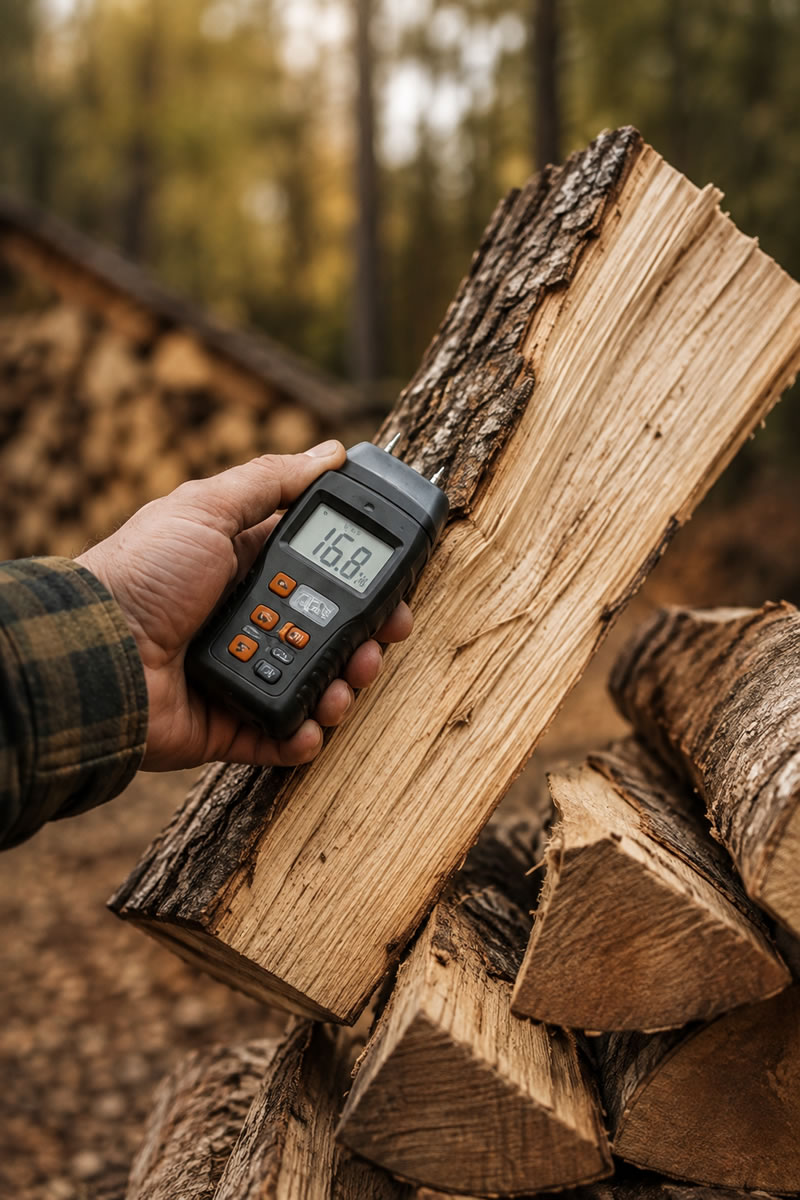
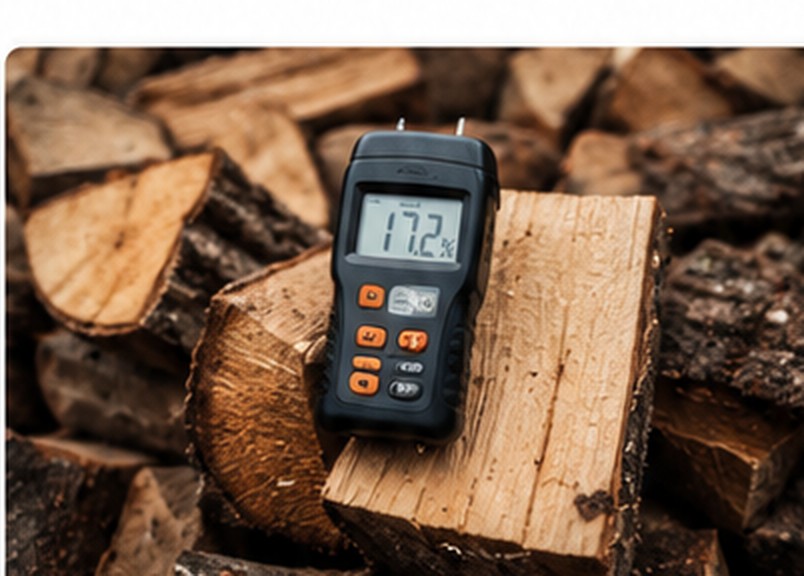
For a practical home-burning target, moisture readings around 15–20% on the freshly split interior face are commonly recommended.
Before wet wood can burn efficiently, energy has to be used to heat and evaporate the water inside it. That can mean harder starts, lower firebox temperatures, more visible smoke and less useful heat in the room.
These terms describe how firewood has been handled, but the actual moisture reading is more useful than the label alone.
For ready-to-burn firewood, readings around 15–20% on the freshly split interior are a useful benchmark. A single surface reading on the outside of a log can be misleading.
A basic pin-style moisture meter is one of the easiest ways to check whether firewood is ready to burn. Firewood moisture content is the most important variable when it comes to a clean burn and heat output.
Testing several pieces gives you a better picture of the load than checking one convenient log.
There is no universal “six months” or “one year” rule. Drying time changes with species, climate, log size, when it was split and how the stack is exposed.
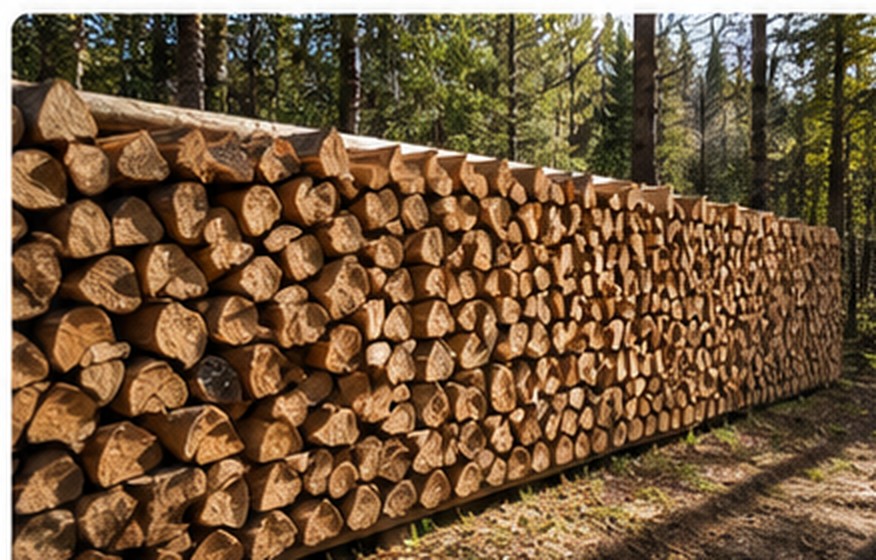
Firewood should be protected from prolonged wetting without trapping moisture around the stack.
Good suppliers should be able to explain their process clearly, even if they do not promise an exact moisture percentage for every piece.
Why it helps: Split wood normally dries much faster than rounds.
What you learn: Whether the drying clock really started months ago.
Why it helps: Airflow and rain protection matter as much as elapsed time.
What you learn: Whether “seasoned” means properly stacked or simply old.
Why it helps: A meter can provide useful evidence when used correctly.
What you learn: Whether the seller has a measurable drying standard.
Why it helps: Outside surfaces can be much drier than the centre.
What you learn: Whether the measurement reflects the interior of the wood.
Why it helps: Species dry at different rates and have different densities.
What you learn: Why some pieces in a mixed load may read differently.
Why it helps: Some suppliers sell both green and seasoned inventory.
What you learn: Whether you should burn it this season or store it longer.
Natural Resources Canada, the U.S. EPA and Health Canada all publish practical guidance related to firewood moisture, testing and wood-smoke reduction.
🔥 CanFirewood is now in Public Beta — Help us build Canada’s best firewood supplier directory. Dismiss